Land Clearing · Brush & Underbrush Clearing

Brush and Underbrush Clearing in Wingate, NC

Some properties don’t need the trees gone. They need everything under the trees gone. ETG Landwork provides brush clearing and underbrush clearing in Charlotte and Union County, taking out the Chinese privet, briars, honeysuckle, vines, and saplings that fill in wooded lots and fence lines, while leaving the mature oaks, hickories, and pines standing. From shaded backyards in Matthews to wooded acreage outside Monroe, the goal is the same: a property you can see through, walk through, and use again. Call for a free estimate.

  • Free Estimates
  • Owner-Operated
  • Residential & Commercial Projects
01 / 7

Signs It’s Time for Brush Clearing

Underbrush doesn’t stay the same size. Each season it spreads farther from the fence line, climbs higher into the trees, and gets more expensive to remove. If you’re seeing any of these, it’s time:

  • You can’t see more than a few feet into your own woods.
  • Vines are climbing into the canopy of trees you want to keep.
  • Privet or briars have swallowed a fence line, and you can’t check or repair the fence.
  • Brush is crowding your house, shed, or driveway and holding moisture and pests against them.
  • You want a trail, a play area, or room to mow, and the understory is in the way.
  • You’re getting ready to sell, and buyers can’t tell how much usable land you have.
02 / 7

What Brush and Underbrush Clearing Actually Involves

Brush clearing is the removal of shrubs, vines, briars, and small trees from a property. Underbrush clearing is the same work done beneath an existing tree canopy, where the point is to open up the woods without losing the big trees. The work is selective. Luis walks the property with you first and marks which trees stay, usually anything with a trunk worth keeping. Then the understory comes out with a compact track loader running a brush cutter or root grapple, working carefully around the trunks and root zones of the trees you’re keeping. Small saplings and privet clumps can be pulled with their roots in softer ground, which slows regrowth. Cut material is either hauled off, leaving the ground clean, or mulched in place when you’d rather have ground cover; for larger acreage, forestry mulching is often the faster route. The result is open woods with clear sightlines, a cleaner fence line, and room to walk, mow, or build a trail.

03 / 7

Our Brush Clearing Process

  1. Step 1: Walk the Property and Mark What Stays

    Luis walks the property with you and marks the trees, plants, and features you want kept. He notes fences, wells, septic fields, slopes, and anything hidden in the brush. You decide together whether cleared material should be hauled away or mulched on site. The written estimate defines the area and the finish you’ll get.

  2. Step 2: Cut and Pull the Understory

    Briars, vines, privet, and saplings are cut or pulled with the track loader, working from the edges inward so the equipment path stays clear. Around saved trees, the work slows down so trunks aren’t scraped and the roots aren’t torn up. Vines climbing your keeper trees are cut at the base.

  3. Step 3: Haul Off or Mulch the Debris

    Cleared brush is loaded and hauled to a permitted facility, or ground in place if you chose mulching. Burning isn’t usually practical on residential property, since North Carolina’s open burning rules keep land-clearing burn piles 500 feet from occupied homes and limit burning to Code Green or Code Yellow air-quality days.

  4. Step 4: Final Walk and Regrowth Plan

    We walk the cleared area with you to confirm every marked tree is intact. Luis points out what’s likely to resprout, especially privet and sweetgum, and talks through follow-up options so the brush doesn’t take the property back in two seasons.

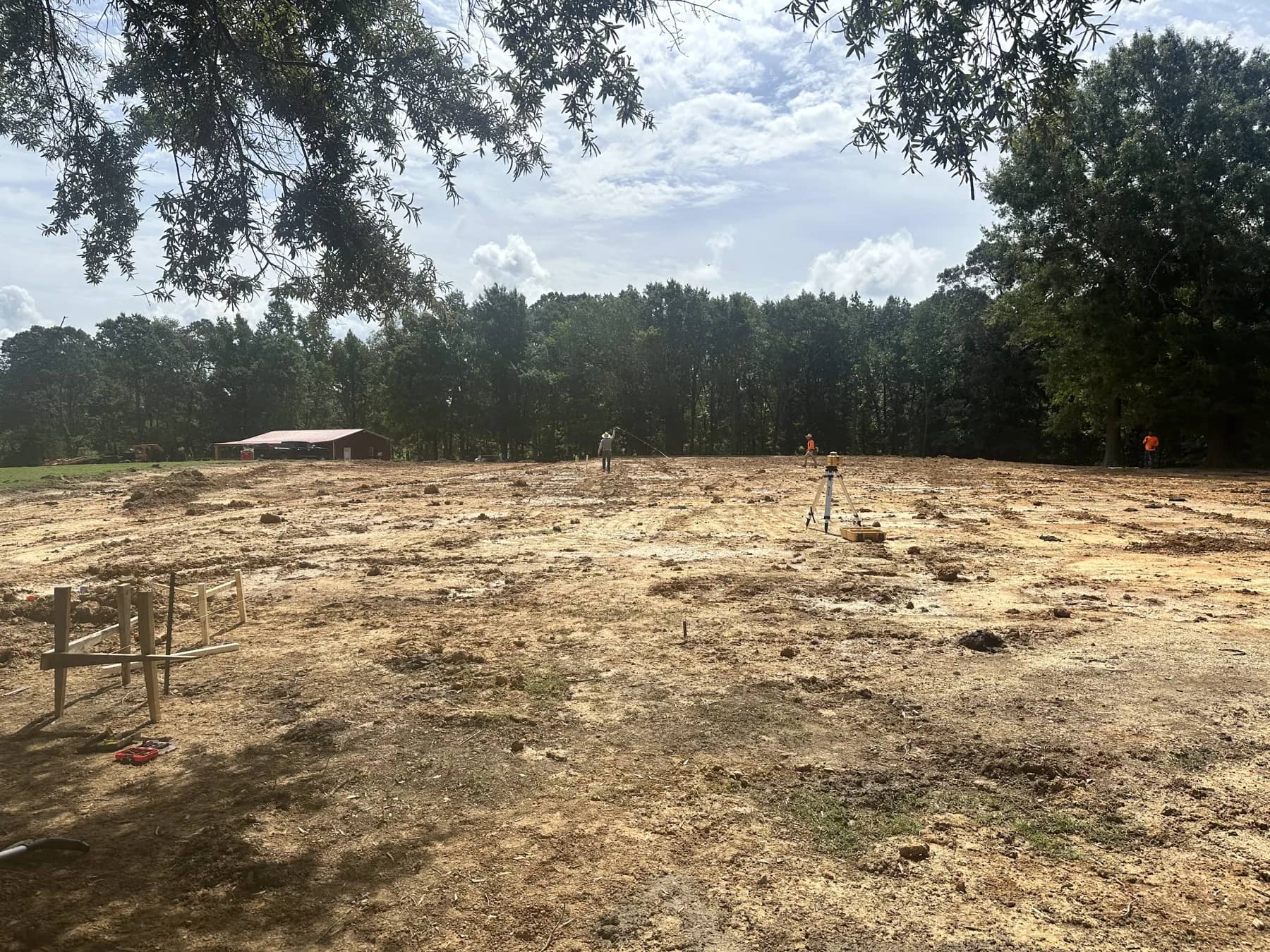
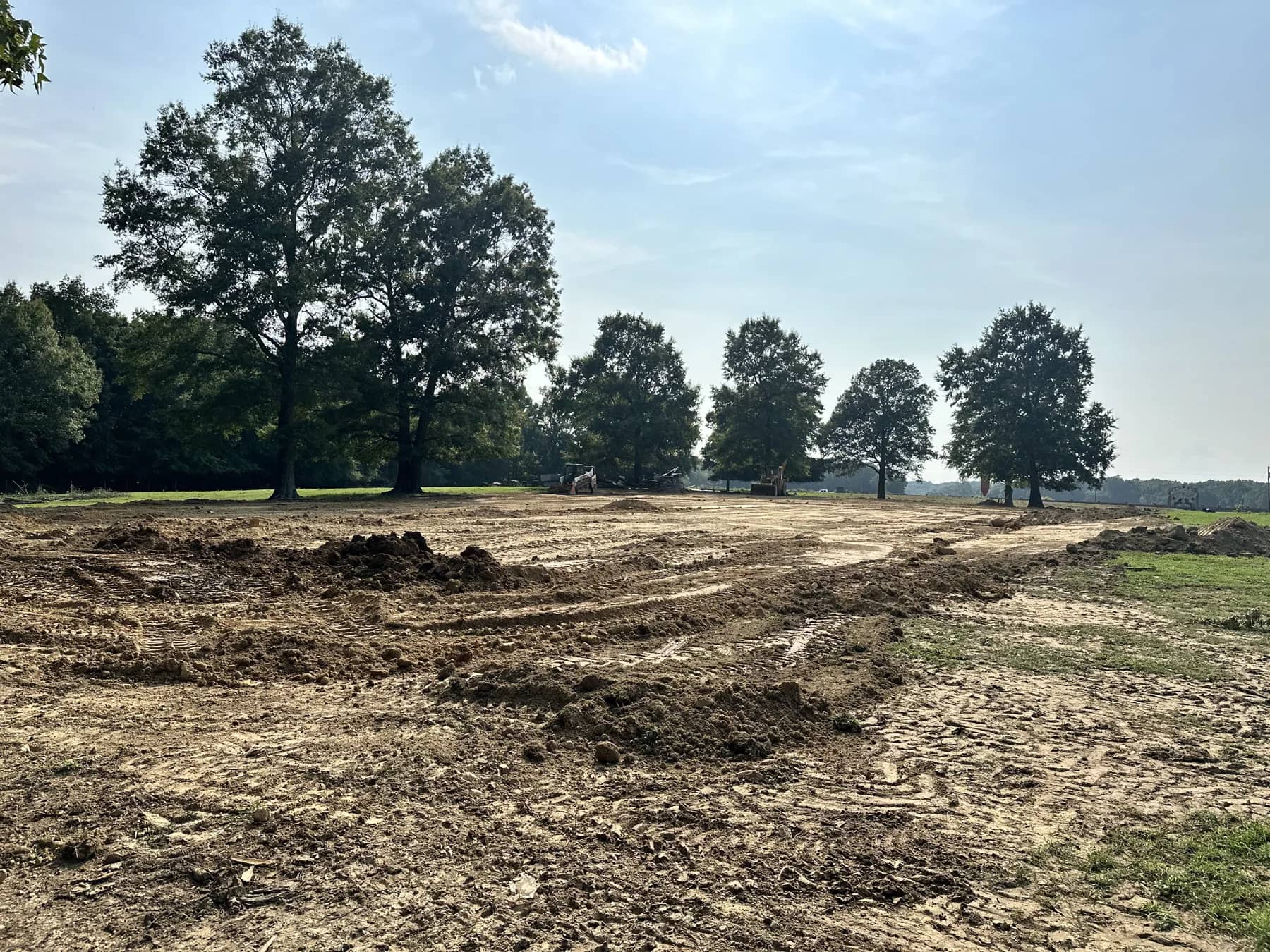
Land clearing result: open, graded acreage with exposed soil and mature trees left standing
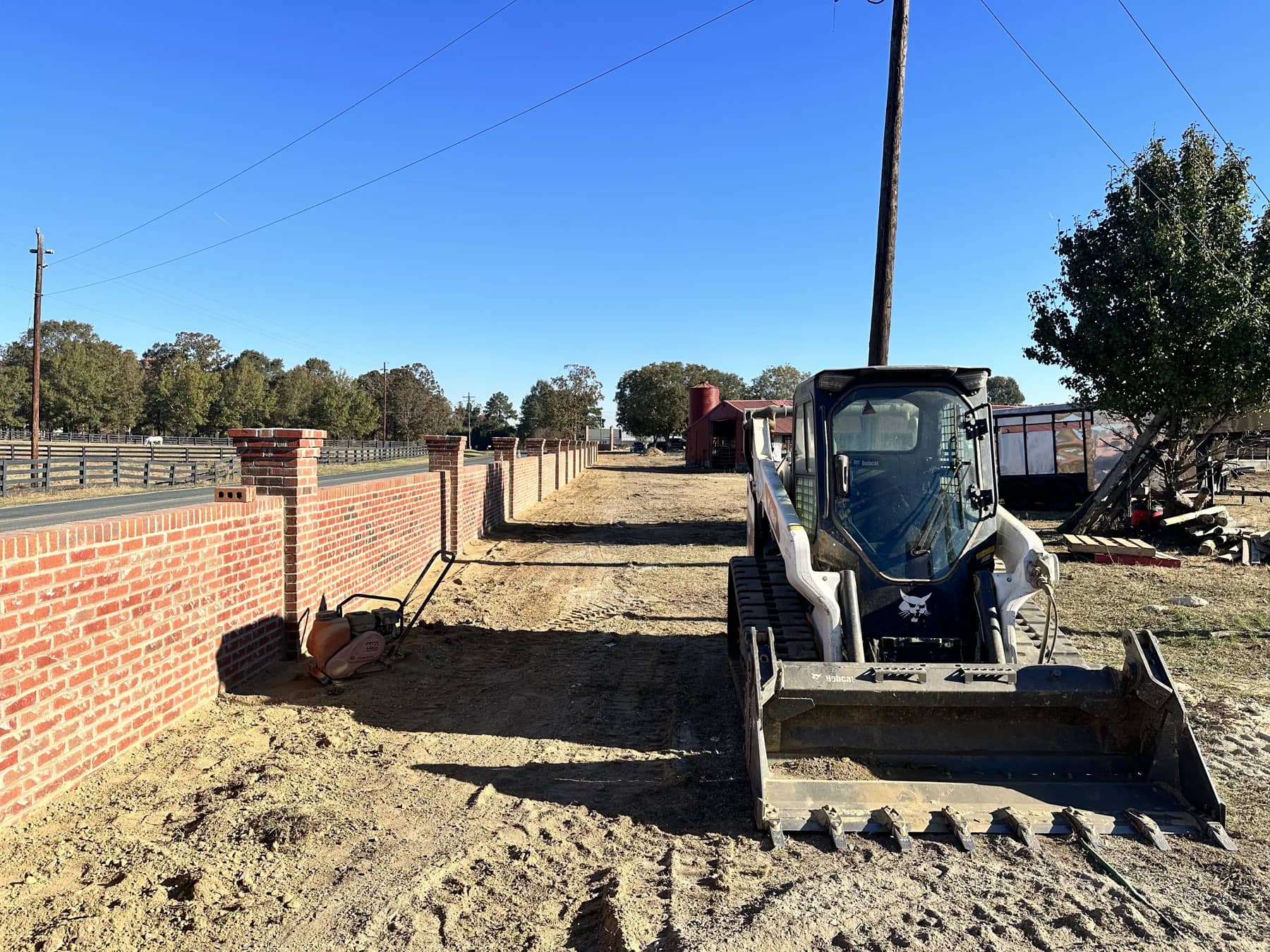
Skid steer on an exposed work site with freshly worked ground
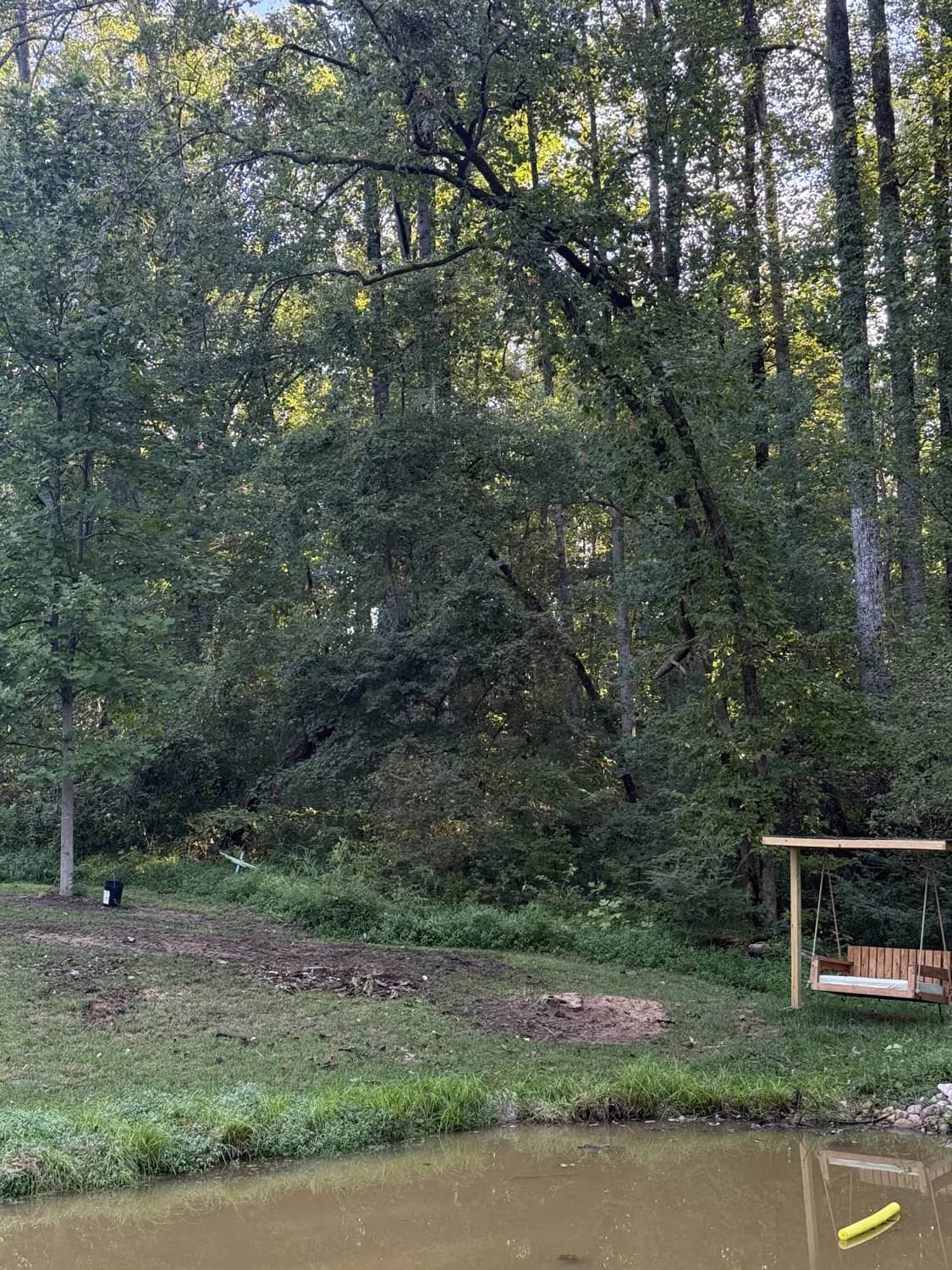
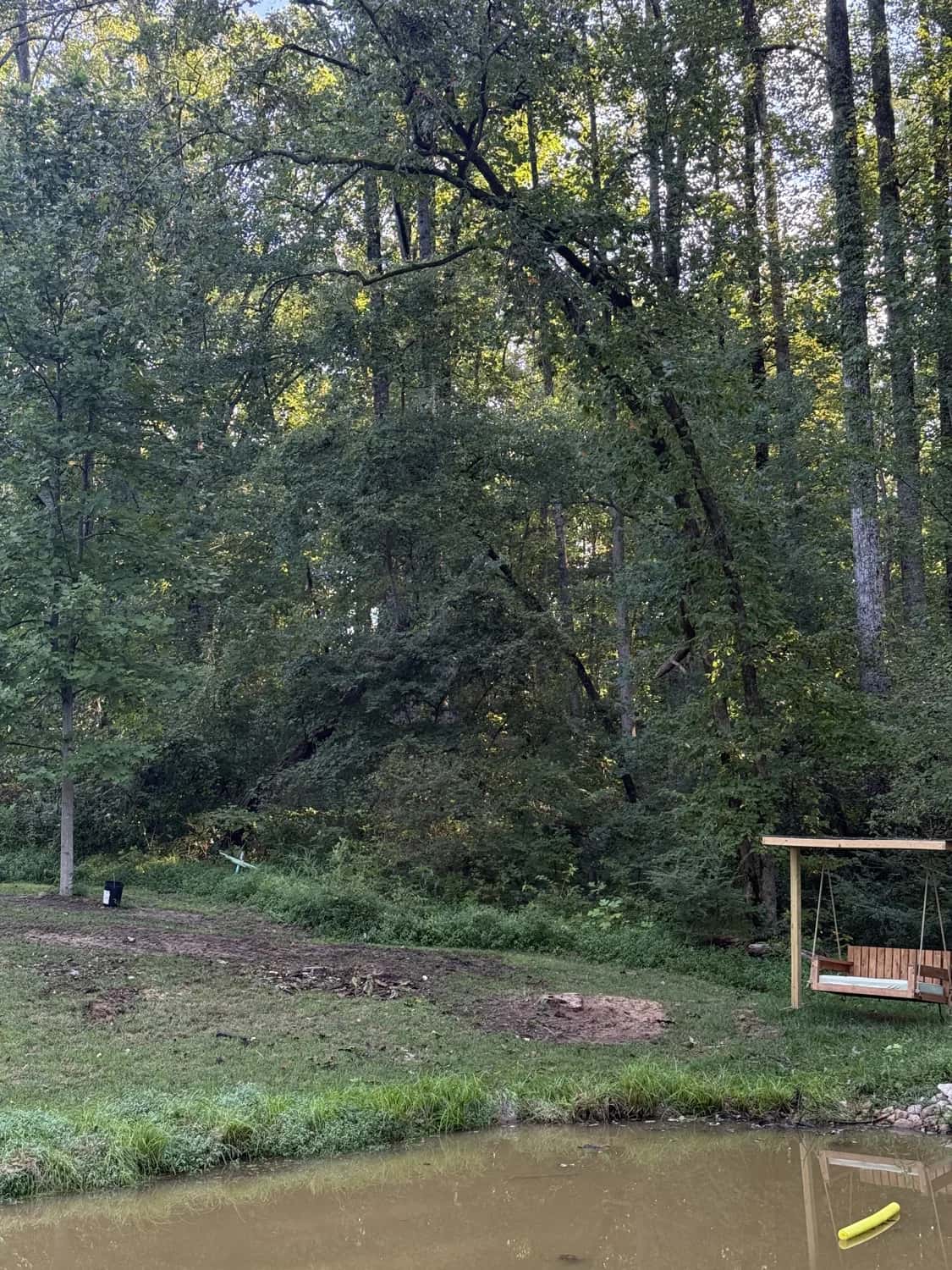
Overgrown wooded lot with dense understory and standing trees, the kind of ground forestry mulching opens up
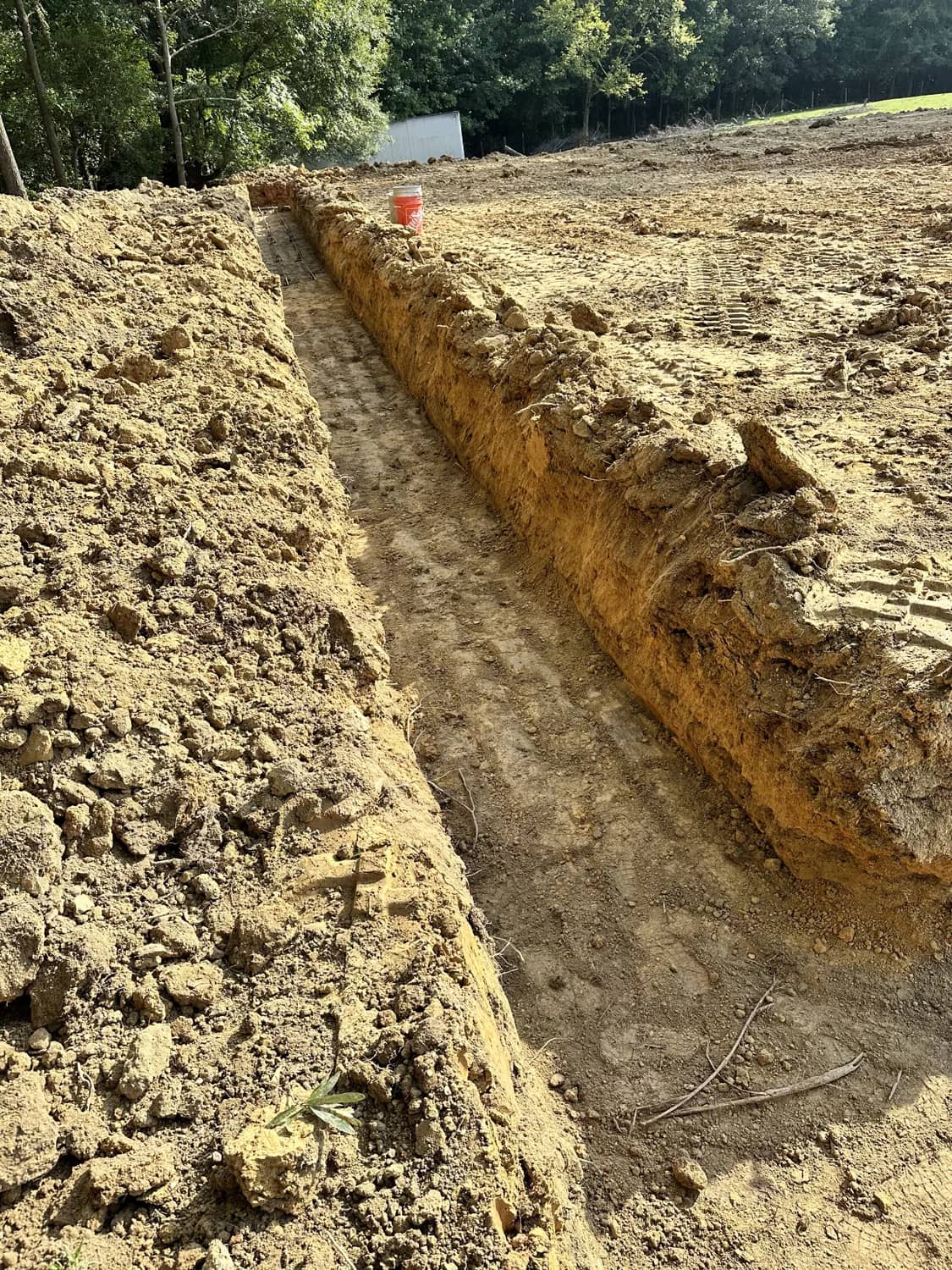
Trench excavation cut across a prepared dirt site
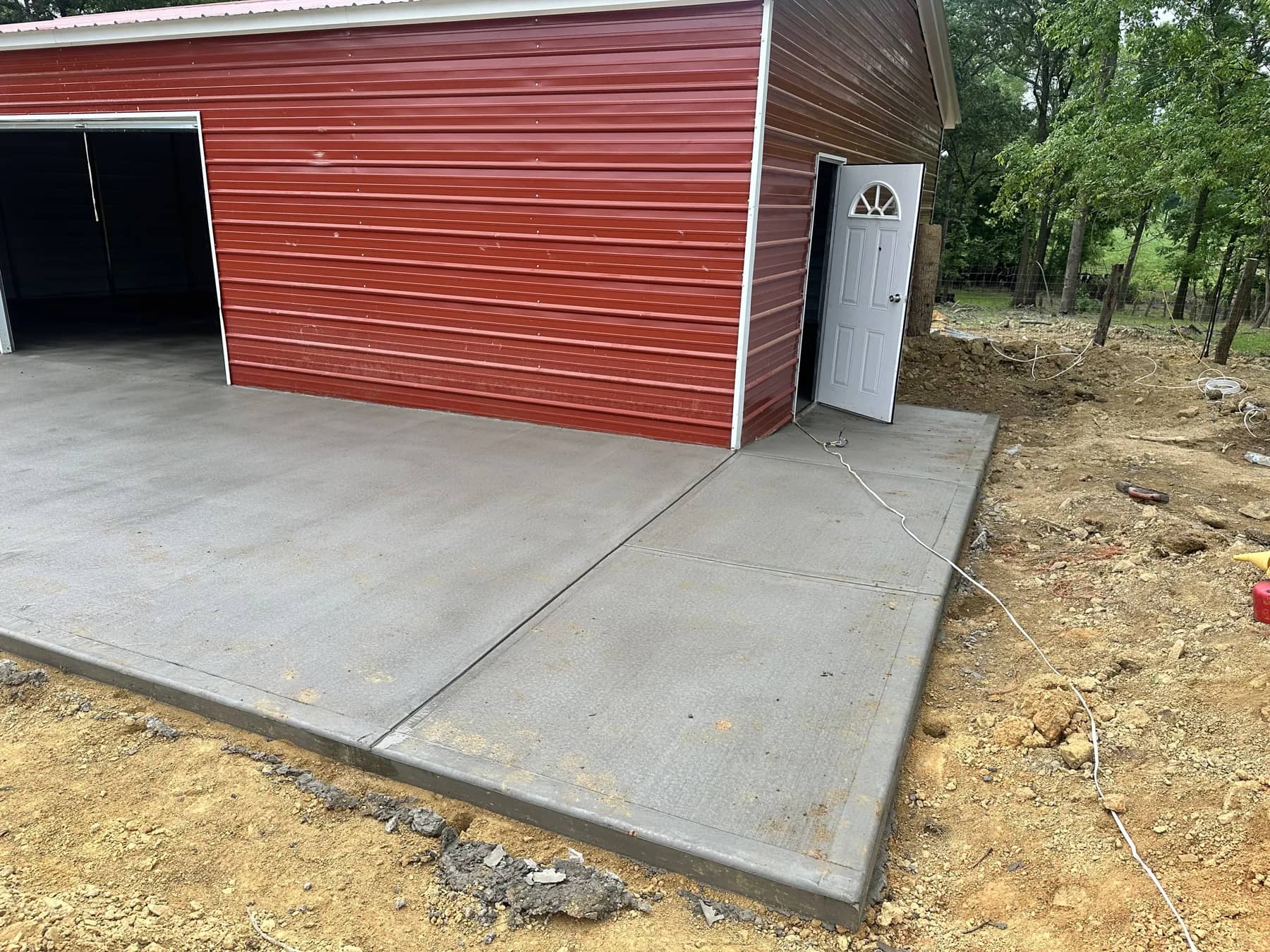
Driveway preparation: concrete apron beside a red outbuilding and graded open ground
Graded open property bordered by a mature tree line, ready for the next stage of site work
04 / 7

Brush Clearing Across Charlotte and Union County

Underbrush builds fast in this region. Wooded backyards in Matthews, Mint Hill, and Stallings fill in along creek edges and back fences, while larger properties around Monroe, Wingate, Marshville, and Waxhaw lose whole fence lines and field edges to briars and cedar. ETG Landwork, a Wingate-based land clearing and site work contractor, covers the area via US-74, the Monroe Expressway, and I-485, from the east side of Charlotte down to the South Carolina line.

The biggest culprit is Chinese privet, which NC State Extension lists as an invasive species in North Carolina. It spreads through seeds that birds carry and through root suckers that form dense thickets, and once established it’s hard to eradicate. That’s why pulling roots where we can, and planning follow-up, matters more than a one-time cut.

05 / 7

When Brush Clearing Is Enough, and When It Isn’t

Brush and underbrush clearing works best when the trees are worth keeping and you want the property opened up, not rebuilt. It’s the right fit for wooded backyards, overgrown fence lines, the edges of pasture, and woods you want to walk, hunt, or enjoy. It isn’t the right fit when you’re building. A house, garage, or driveway needs the trees and stumps in its footprint removed completely, which is lot clearing or full land clearing. On larger acreage with heavy brush and few keeper trees, forestry mulching usually covers ground faster and costs less per acre. Luis will tell you which one fits during the walk.

06 / 7

Why Charlotte Property Owners Choose ETG Landwork

Selective clearing is precision work, and with ETG Landwork, the person who walks your property is the one running the machine. Luis Gallardo spent about three years clearing and grading on a working farm before starting ETG Landwork in 2026, so he knows how to work around trees without damaging them. You can get to know Luis and ETG Landwork. Because ETG also handles land clearing and forestry mulching, there’s no incentive to sell you the wrong service. Estimates are free.

Good questions

Brush and Underbrush Clearing FAQs

Brush clearing removes the vegetation, and the material is usually hauled away for a clean finish. Forestry mulching grinds everything into a layer of mulch left on the ground. Mulching is faster on large acreage, while brush clearing gives a cleaner result in yards and close to homes.

Prefer to talk it through? Call (980) 328-5311

Let’s get moving

Get Your Property Back

If the brush has taken over your yard, woods, or fence line, start with a walk-through. Call or request a free brush clearing estimate, and Luis will come see it in person.

Call nowFree estimate